


Workplace wellbeing programmes often assume that employees have similar bodies, schedules and attitudes towards exercise. In reality, one team may include recent graduates, parents returning from leave, experienced specialists in their sixties, workers managing old injuries and colleagues who have never attended a fitness class. A single high-intensity format will not serve them equally.
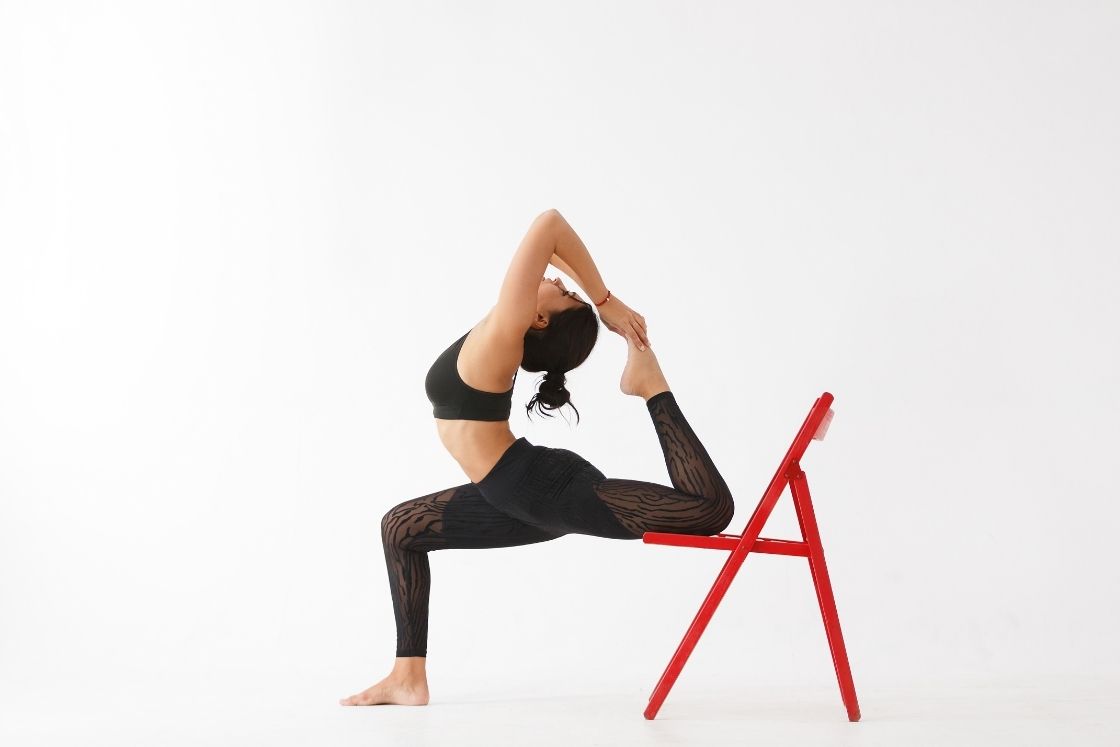
chair yoga can provide a shared movement experience without requiring everyone to use the same range or intensity. The chair offers a familiar reference and makes many movements adaptable. Its success, however, depends on inclusive design rather than presenting it as an activity only for older or less capable employees.
Multi-Generational Does Not Mean Age-Based Stereotyping
Age can influence recovery, health risk and movement experience, but it does not predict individual ability. A younger employee may have a significant back condition, while an older colleague may train regularly and find basic movements undemanding. Dividing the group into “young and fit” and “older and limited” creates inaccurate assumptions.
A better programme begins with functional options. Can a participant stand comfortably? Do they prefer to remain seated? Is reaching overhead suitable? Would a smaller range feel more secure? These questions address the activity directly without using age as a shortcut.
Language matters as much as exercise selection. Avoid describing one variation as the real pose and another as the easy version. Terms such as seated option, supported option and standing option are more neutral. Every participant should be able to choose without announcing a diagnosis.
Why the Chair Can Create Common Ground
The chair reduces several practical barriers. Employees can participate in suitable work clothing, floor transfers are optional, and the programme can fit into a meeting room. People who are uncomfortable with conventional studio imagery may find the format less intimidating.
At the same time, chair-based movement can still be progressive. A seated march can vary through tempo, range and arm position. A supported balance can use one or both hands. A sit-to-stand action can be performed with assistance, without assistance or omitted.
This range prevents the class from becoming either overly demanding or patronising. The shared task remains recognisable, while each person selects the version that fits.
Design Around Roles and Work Patterns
Generations are not the only source of difference. A warehouse supervisor, finance analyst, customer-service employee and travelling executive experience different physical demands.
Desk-based workers may need movement variety after long sitting. Employees who stand for most of the day may prefer seated recovery and ankle mobility. Manual workers may not need more loading during a break, but may value controlled shoulder and trunk movement. Shift workers require scheduling that does not treat one office timetable as universal.
Before launch, gather anonymous information about work patterns, access needs, preferred timing and previous experience. Do not ask employees to submit detailed medical histories to the employer. The instructor can provide a private route for relevant safety information.
Build One Class with Multiple Entry Points
Arrival Without Forced Relaxation
Begin with both feet supported and the option to keep eyes open. Invite participants to notice contact with the chair and floor. Avoid insisting on deep breathing, which can feel uncomfortable or performative in a workplace.
Joint Movement with Adjustable Range
Use ankle movement, shoulder circles, gentle spinal flexion and rotation. Demonstrate small and larger ranges without implying that larger is better. Participants can move one side at a time if coordinating both sides is difficult.
Functional Strength
Include optional seated leg lifts, heel raises or sit-to-stand practice. These actions connect the session to daily function and keep the programme from being framed only as stretching. Provide stable hand support and a fully seated alternative.
Balance with Clear Support
Standing balance can be offered behind or beside a stable chair. Participants should know that using both hands is acceptable. Those remaining seated can practise weight shifts or alternate foot lifts.
A Brief, Alert Finish
End in a way that prepares people to return to work. Gentle movement and a clear visual focus may be more suitable than a long, sleepy relaxation, especially before commuting, machinery use or complex decisions.
Protect Dignity and Privacy
An inclusive session does not ask people to explain why they chose a variation. Managers should not comment on flexibility, body size, age or attendance. Photographs should require explicit consent and should never be taken during vulnerable positions merely for internal promotion.
Participation should remain voluntary. Employees may avoid a class for cultural, personal or medical reasons. Offering a movement programme does not create permission to pressure them or treat non-participation as poor teamwork.
The instructor should also establish consent around touch. Verbal and visual guidance is often sufficient in a workplace. If hands-on assistance is offered, participants need a clear way to decline without drawing attention.
Scheduling Across Career and Life Stages
Early-career employees may have less control over their calendars. Parents and carers may face strict pickup times. Older workers may be concentrated in specialist or leadership roles with heavy meeting schedules. A single late-afternoon class can exclude people for reasons unrelated to interest.
Offer sessions at more than one time or rotate the schedule. Short live online options can include remote staff, but they should not become the only access route for employees who lack private space. Recordings can support flexibility, provided they include safety guidance and do not replace protected break time.
Managers can improve uptake by protecting the time rather than merely endorsing the programme. If employees are expected to answer messages during the class, the organisation has not created a genuine wellbeing opportunity.
Avoid Competition and Over-Measurement
Leaderboards, attendance prizes and flexibility photographs can turn an inclusive class into another performance system. They may favour confident, already active staff and discourage people who most need an accessible entry point.
Evaluation can focus on programme quality: whether employees felt able to choose, whether timing was workable and whether the instructor provided useful alternatives. Anonymous feedback is more appropriate than individual health scores.
The employer should also examine whether the initiative reaches contract staff, shift workers and smaller departments. A programme is not inclusive simply because the sequence itself has modifications.
Connect the Class to Wider Wellness
Seated movement is one element of a healthy workplace. It does not replace ergonomic assessment, reasonable workload, psychological safety, walking opportunities or access to appropriate healthcare. Employees should not be told that a short class can compensate for excessive hours or prevent all musculoskeletal problems.
Success is visible when employees make confident choices. One person may stay seated, another may stand with support and another may use a greater range. They remain part of the same session without being ranked.
Review and Improve the Programme
After an initial four- to eight-week period, ask participants what made attendance easier or harder. Check whether the pace allowed time to change positions, whether verbal cues were clear and whether any movements felt culturally or physically uncomfortable.
A partnership with Yoga Edition can help organisations provide instructors who demonstrate layered options. Employers still need suitable space, stable chairs, protected time and honest expectations.
Use the feedback to adjust delivery rather than blaming low engagement on employees. The problem may be timing, room privacy, manager behaviour or the impression that the class targets only one age group.
Conclusion
A multi-generational wellness programme works when it respects difference without turning age into a diagnosis. The chair creates a common structure, while variations allow employees to participate according to function, comfort and preference.
Inclusive teaching, voluntary participation and protected time matter more than a complicated sequence. When those elements are present, colleagues with very different movement histories can share an experience without being forced into identical performance.
Frequently Asked Questions
Is this format mainly for older employees?
No. It can suit adults of different ages, fitness levels and work roles. Marketing it only to older staff may create stigma and overlook younger employees who prefer supported movement.
Can active employees still find the class useful?
Yes. Tempo, range, balance and controlled sit-to-stand work can add challenge. The class should offer progression without making intensity the measure of success.
How can managers encourage participation appropriately?
Protect the scheduled time, communicate that attendance is voluntary and avoid commenting on individual performance. Managers can participate without pressuring their teams.
Should employees disclose medical conditions?
They should not have to disclose details publicly or to colleagues. Provide a private way to ask the instructor about modifications, and encourage clinical advice when appropriate.
What chair is suitable for a workplace class?
A stable, armless chair on a non-slip surface is generally useful. Wheeled or folding chairs need careful assessment before movements involving leverage or standing.
How should programme success be measured?
Use anonymous feedback on accessibility, timing, confidence and usefulness. Also assess whether different roles, shifts and employment groups can genuinely access the sessions.