


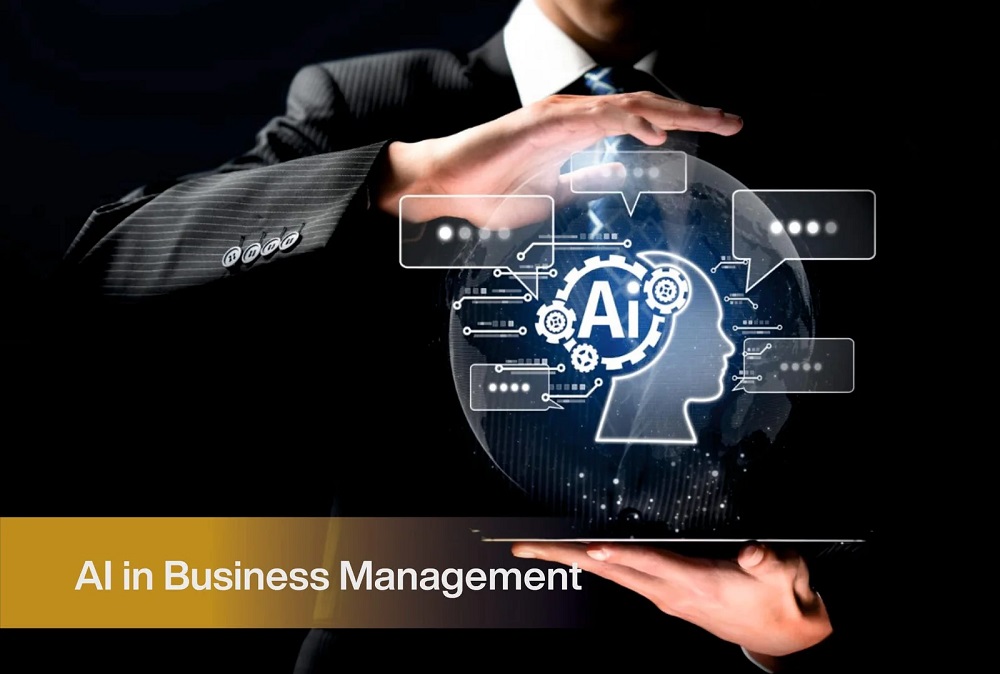
The fundamental nature of enterprise management is undergoing a profound structural shift. For decades, the core responsibility of corporate management revolved around monitoring execution, aggregating operational data, delegating routine tasks, and maintaining administrative oversight. The rapid integration of artificial intelligence, machine learning, and autonomous agentic workflows into core business operations has rendered these traditional management functions obsolete.
Modern enterprise software systems no longer simply record business activity; they synthesize data, predict market fluctuations, allocate operational capital, and generate complex strategic scenarios in seconds. This capability removes administrative oversight as the primary value driver for leaders.
Rather than signaling the end of human leadership, artificial intelligence elevates the necessity of strategic management. As technical systems take over routine execution, organizations face unprecedented operational complexity.
Navigating dynamic human-machine workflows, interpreting algorithmic insights, establishing ethical parameters, and directing high-level strategy require a new management framework. The future of management relies on transitioning from task-oriented supervision to strategic alignment, ethical governance, and human talent cultivation.
The Paradigm Shift From Operational Oversight to Strategic Synthesis
Historically, managers spent significant time acting as information conduits. They gathered performance metrics from junior staff, formatted data into progress reports, and passed those insights upward to senior executives. Algorithmic analytics platforms and real-time enterprise resource planning tools now execute this process continuously without human intervention.
Consequently, the core mandate of management shifts from operational tracking to strategic synthesis. Artificial intelligence systems excel at isolating statistical correlations across massive datasets, but they lack context, institutional history, and qualitative understanding. Managers must evaluate machine-generated recommendations through the lens of long-term brand identity, regulatory compliance, macroeconomic conditions, and company values.
Key focus areas for strategic synthesis include:
- Evaluating Algorithmic Output: Testing the underlying assumptions of machine-learning models to prevent automated systems from magnifying strategic blind spots.
- Contextual Decision-Making: Applying qualitative human judgment to automated forecasts when evaluating volatile markets, emerging trade policies, or shifts in consumer sentiment.
- Capital Allocation Strategy: Utilizing artificial intelligence scenario modeling to stress-test financial choices before committing enterprise resources.
- Cross-Functional Architecture: Unifying disconnected algorithmic insights across marketing, supply chain, and human resources into a coherent enterprise strategy.
Orchestrating Hybrid Human and Agentic Workforces
The workplace architecture of modern enterprise relies on hybrid workforces composed of human employees, specialized software automation, and autonomous digital agents capable of multi-step reasoning. Managing this blended environment requires a departure from traditional organizational charts and delegation models.
Instead of delegating tasks exclusively to human subordinates, modern managers must design integrated workflows where artificial intelligence tools handle high-volume analytical, technical, and draft-generation tasks. Human workers then refine, validate, and strategically deploy those outputs. This dynamic reshapes team structures, requiring managers to operate as systems designers and operational orchestrators.
Core responsibilities in hybrid workforce orchestration include:
- Task Distribution Optimization: Identifying which operational components require human creativity, empathy, or moral judgment versus tasks best suited for automated processing.
- Algorithmic Quality Control: Implementing rigorous review mechanisms to verify the accuracy, security, and factual precision of machine-generated work.
- Workflow Integration: Continually refining technical hand-offs between automated agentic systems and human team members to eliminate process friction.
- Capacity Management: Reallocating human labor hours saved through automation toward higher-value innovation, strategic planning, and customer relationship building.
Redefining Leadership Competencies in an Automated Ecosystem
As automation standardizes technical execution and basic analytical tasks across industries, the competitive differentiator for enterprises becomes the quality of their human leadership. When every organization has access to similar generative models and predictive software, management effectiveness hinges on human-centric cognitive abilities.
The managerial skill profile is pivoting away from technical domain specialization toward adaptive thinking, emotional intelligence, and systemic problem-solving. Leaders who rely solely on authoritative position or domain knowledge risk obsolescence as artificial intelligence tools outperform traditional benchmarks in technical information retrieval and standard analysis.
Essential modern managerial competencies include:
- Cognitive Agility: The capacity to rapidly process changing operational data, challenge personal biases, and pivot organizational strategy in response to market disruptions.
- Emotional Intelligence and Empathy: Supporting employees through technological transitions, managing automation-related anxiety, and cultivating cohesive team culture.
- Complex Problem Formulation: Framing business challenges accurately so artificial intelligence tools can process relevant variables and generate actionable scenarios.
- Interdisciplinary Synthesis: Bridging gaps between technical data science teams, creative departments, executive leadership, and legal counsel.
Ethical Governance, Bias Mitigation, and Risk Oversight
The proliferation of automated decision-making systems introduces enterprise risks regarding algorithmic bias, data privacy, intellectual property usage, and regulatory compliance. Automated systems process historical data to predict future outcomes; consequently, without active governance, these tools can perpetuate systemic historical biases or produce erroneous recommendations based on flawed datasets.
Managers serve as the ultimate operational safeguard for corporate integrity. They are responsible for implementing ethical guardrails, reviewing automated decisions that impact human stakeholders, and ensuring artificial intelligence deployment aligns with legal frameworks and societal expectations.
Key ethical management mandates involve:
- Algorithmic Auditing: Establishing periodic checks on automated screening, pricing, and resource-allocation models to identify and correct systematic demographic or economic biases.
- Data Privacy Protection: Guaranteeing that customer, employee, and proprietary corporate data integrated into language models complies with global privacy mandates.
- Accountability Frameworks: Defining clear lines of human responsibility for decisions made or influenced by automated systems, ensuring technology is never treated as a shield for corporate errors.
- Transparency Metrics: Maintaining clear communication with internal staff and external clients regarding where, how, and why automated tools are being applied within business processes.
Restructuring Talent Development and Mentorship
Traditional career progression relied on junior staff learning core industry concepts through repetitive entry-level tasks such as market research, basic financial modeling, code drafting, and manual report writing. Because automated tools handle many of these introductory activities, organizations face a talent development challenge: how to cultivate future strategic managers when entry-level execution tasks disappear.
Management must restructure internal career pathways, training frameworks, and apprenticeship models. Rather than assigning entry-level staff purely execution-based tasks, companies must train junior personnel to audit, direct, and refine automated systems from the start of their careers.
Strategies for modern talent development include:
- AI-Assisted Apprenticeship: Training junior workers to use enterprise artificial intelligence tools while actively auditing machine logic to build critical analytical skills.
- Cross-Functional Rotation Programs: Moving emerging leaders through diverse departments to build holistic business knowledge that automated systems cannot replicate.
- Focus on Applied Problem-Solving: Structuring professional development around case studies, scenario analysis, and live crisis-management simulations.
- Continuous Reskilling Initiatives: Establishing ongoing education frameworks to help mid-career professionals adapt as software tools and enterprise platforms evolve.
Measuring Performance and ROI in the AI-Enabled Enterprise
Evaluating manager performance under traditional output metrics—such as hours worked, volume of reports generated, or size of supervised staff—fails in an automated corporate environment. When automated tools can generate extensive operational analysis in seconds, measuring management by output volume creates artificial productivity metrics that do not drive business value.
Performance evaluation for modern managers centers on strategic outcomes, system efficiency, team capability growth, and innovation velocity. Organizations must align managerial incentives with how effectively leaders leverage technological infrastructure to achieve financial and operational goals.
Critical metrics for evaluating modern management include:
- Workflow Efficiency and Velocity: Measuring reductions in cycle times for strategic projects resulting from effective human-machine task distribution.
- Quality of Decision-Making: Tracking the accuracy and long-term financial return of strategic choices informed by algorithmic analysis.
- Talent Retention and Engagement: Evaluating team morale, skill acquisition speed, and retention rates within hybrid workforce environments.
- Ethical and Security Compliance: Monitoring team adherence to corporate governance standards, privacy policies, and security protocols across automated platforms.
Frequently Asked Questions
Will artificial intelligence make middle management positions redundant?
Artificial intelligence does not eliminate the need for middle management; rather, it fundamentally alters the role. While routine tracking and administrative supervision are automated, the demand increases for managers who can handle complex system integrations, guide strategy, manage cross-functional human teams, and ensure ethical oversight. Organizations adopting advanced automation frequently require strategic managers to oversee complex hybrid workflows.
How can current business managers prepare for an AI-driven work environment?
Managers can prepare by focusing on data literacy, system design, and advanced leadership skills. Rather than attempting to become computer scientists, leaders should understand how data models function, learn to craft clear strategic queries for automated tools, and master the ethical frameworks surrounding automation. Developing soft skills like active listening, change management, and conflict resolution remains vital for leading teams through technological shifts.
How do companies maintain employee trust and morale during major AI implementations?
Maintaining trust requires transparent communication, clear ethical boundaries, and an emphasis on workforce augmentation rather than head-count reduction. Management should communicate how automated tools are designed to eliminate repetitive administrative tasks, allowing staff to focus on higher-value creative and strategic work. Involving employees directly in the design and testing of automated workflows reduces friction and builds organizational ownership.
What is the biggest risk of over-relying on AI for executive decision-making?
The primary risk is strategic homogenization and blind-spot magnification. Automated models operate on historical patterns and aggregated data; relying solely on machine forecasts can lead companies to make identical strategic moves as competitors using similar tools. Additionally, automated models cannot anticipate unprecedented black-swan events, ethical nuances, or subtle shifts in organizational culture, making human oversight essential.
How does the role of executive leadership differ from operational management in an AI-driven enterprise?
Executive leadership focuses on defining overall corporate vision, setting ethical risk tolerances, allocating long-term capital, and shaping culture. Operational management focuses on designing daily workflows, integrating automated software into functional teams, monitoring output quality, and mentoring personnel. Both tiers rely on software tools for baseline insights, but executive leadership centers on long-term strategy, while operational management handles practical integration.
How can organizations prevent algorithmic bias in automated hiring and promotion processes?
Preventing bias requires establishing human-in-the-loop validation frameworks, conducting regular third-party audits of human resources software, and masking sensitive demographic data during automated screening phases. Managers must treat automated recruiting scores as non-binding recommendations rather than automated hiring decisions, applying structured human interviews and holistic performance metrics to evaluate talent.
What steps should leaders take when an AI system produces incorrect or hallucinated operational data?
When incorrect data or model hallucinations occur, leaders must immediately isolate the affected workflow, trace the erroneous output back to its source dataset or prompt structure, and notify impacted stakeholders. Organizations should establish clear exception-handling procedures that allow human operators to override automated recommendations instantly, followed by model retraining and prompt refine protocols to prevent recurring errors.