


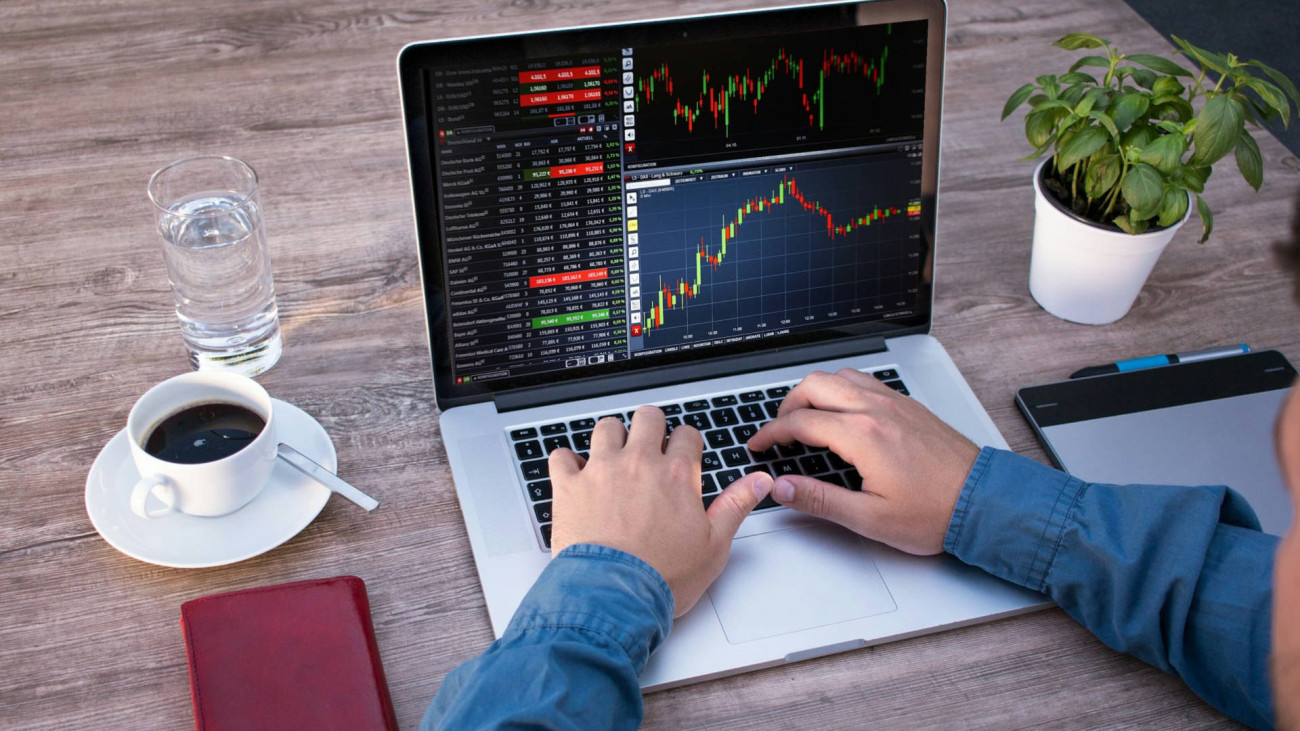
Financial markets continue to evolve as technology, global connectivity, and economic shifts reshape the way people invest and trade. Among these markets, forex has maintained its position as one of the most active and liquid environments in the world. Every day, individuals, institutions, and multinational companies exchange currencies for investment, trade, and risk management purposes, creating a market that operates almost continuously across global time zones.
For traders, liquidity is more than a technical concept. It directly affects how quickly trades can be executed, how stable pricing remains during volatile periods, and how accessible opportunities are throughout the trading day. The forex market’s immense size and constant activity make it attractive to both beginners and experienced participants seeking flexibility, efficiency, and broad market access.
The Scale of the Forex Market Creates Constant Activity
The forex market stands apart from many other financial markets because of its enormous daily trading volume. Central banks, commercial banks, hedge funds, corporations, governments, and retail traders all participate simultaneously, contributing to continuous market movement. This high level of participation allows buyers and sellers to enter and exit positions with minimal delay under normal market conditions.
Unlike traditional stock exchanges that operate within fixed business hours, forex trading follows a global cycle that spans major financial centres such as London, New York, Tokyo, and Sydney. As one market closes, another opens, creating near 24-hour activity during the business week. This constant flow of transactions helps maintain strong liquidity across major currency pairs, particularly those tied to globally influential economies.
Many financial professionals and educational institutions emphasise the importance of understanding liquidity before entering any market. Traders who spend time learning about spreads, execution speed, and market depth often begin by exploring foundational concepts such as currency trading basics. These principles help explain why forex remains highly accessible compared to markets where lower trading volume can lead to larger price gaps and slower order execution.
Liquidity Supports More Efficient Trading Conditions
One of the clearest benefits of a liquid market is tighter bid-ask spreads. In forex, major currency pairs like EUR/USD and USD/JPY typically experience narrow spreads because of the high number of active participants. Lower transaction costs can make a meaningful difference over time, especially for traders who execute multiple trades during a single session.
Liquidity also contributes to smoother order execution. In less liquid markets, large buy or sell orders can significantly move prices before execution is completed. Forex markets, particularly major pairs, tend to absorb substantial trading activity more efficiently. This allows traders to react quickly to economic news, policy announcements, and changing market sentiment without facing excessive slippage during stable conditions.
Risk management becomes more practical in highly liquid environments as well. Traders often rely on stop-loss and limit orders to manage exposure, and these tools generally function more reliably when there is sufficient market participation. While volatility can still increase during major economic events, the depth of the forex market helps maintain a more structured trading environment than smaller or less active financial markets.
Global Economic Influence Keeps Forex Relevant
Currencies are directly connected to national economies, interest rates, trade balances, and geopolitical developments. Because of this, forex markets respond continuously to economic indicators and policy decisions from major institutions such as the Federal Reserve, the European Central Bank, and the Bank of England. This constant interaction between economics and market pricing keeps forex highly dynamic and globally relevant.
The market’s liquidity is strengthened further by international commerce. Businesses exchanging goods and services across borders must convert currencies regularly, creating ongoing demand that exists independently of speculative trading. Tourism, imports, exports, and foreign investments all contribute to sustained market activity that supports liquidity throughout the trading week.
Retail participation has also expanded significantly due to advances in online trading technology. Modern platforms provide access to charts, educational tools, and real-time data that were once available mainly to institutional traders. As a result, more individuals can engage with forex markets while learning how macroeconomic trends influence currency values and trading opportunities.
Technology and Accessibility Continue to Drive Growth
Technology has played a major role in strengthening forex market participation over the past two decades. Faster internet speeds, mobile trading applications, and advanced charting software have made it easier for traders to monitor markets and execute positions from nearly anywhere. This accessibility contributes to ongoing trading activity and helps sustain market liquidity across multiple sessions.
Automated trading systems and algorithmic strategies have also increased market efficiency. Institutional firms and experienced traders often use automated tools to manage execution speed and analyse market patterns in real time. Although these systems can contribute to rapid price movement during volatile periods, they also help maintain continuous order flow under typical conditions.
Conclusion
Forex remains one of the world’s most liquid markets because of its global participation, continuous trading cycle, and deep connection to international economic activity. The presence of governments, institutions, corporations, and retail traders creates a level of market depth that supports efficient execution and consistent trading opportunities across major currency pairs.
For traders, liquidity offers practical advantages that extend beyond convenience. Tighter spreads, smoother execution, and easier access to market opportunities all contribute to a more flexible trading environment. While forex trading still carries risk and requires careful decision-making, its liquidity continues to make it one of the most accessible and closely watched financial markets in the modern world.