


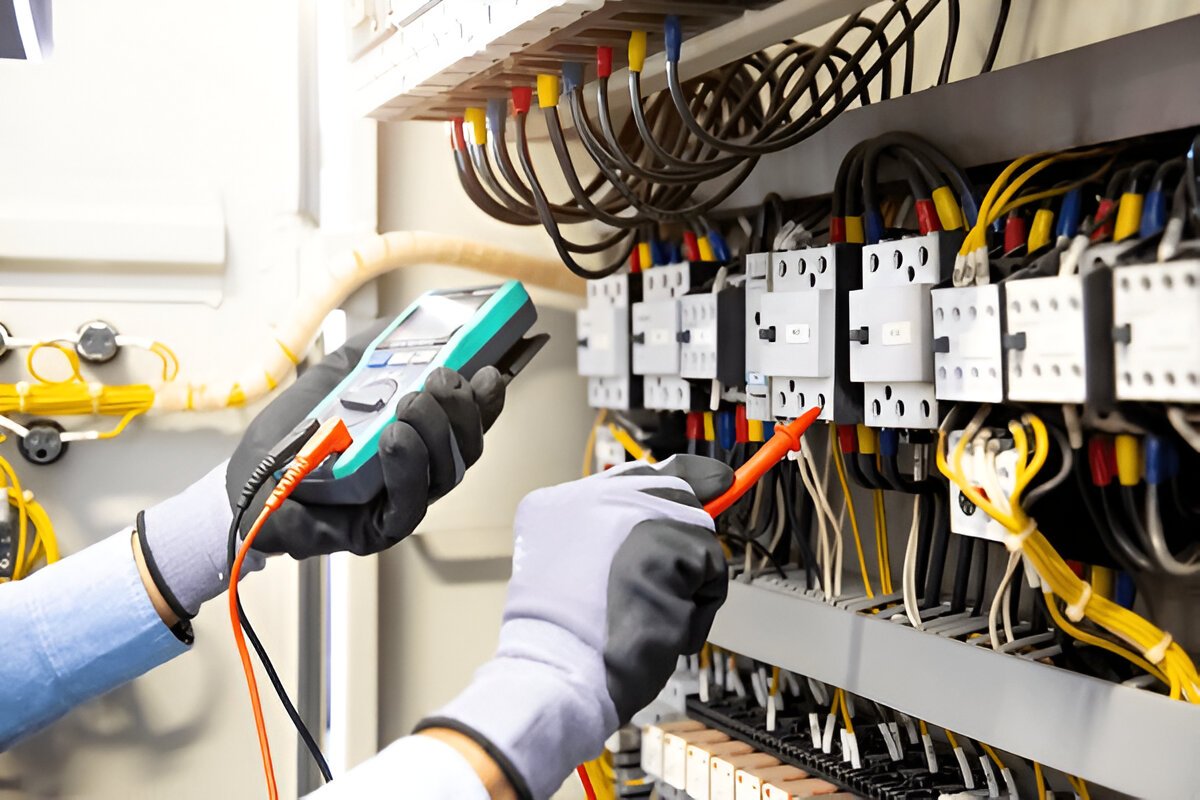
Industrial facilities run on complex electrical systems that power everything from massive manufacturing equipment to critical safety systems. When these electrical systems fail, the consequences go way beyond just losing power—production stops, deadlines get missed, and costs pile up fast. The difference between a minor electrical hiccup and a full-blown disaster often comes down to how well equipment protection measures are in place.
Most industrial managers know electrical problems are expensive, but many underestimate just how quickly a simple electrical fault can turn into a facility-wide crisis. The key is understanding where vulnerabilities exist and having systems in place to prevent small problems from becoming catastrophic failures.
When Electrical Problems Strike Without Warning
Industrial electrical systems face challenges that regular commercial buildings never deal with. Heavy machinery creates electrical noise and power fluctuations, environmental conditions can be harsh, and the electrical loads are often massive and constantly changing. All of this creates conditions where electrical problems can develop quickly and without obvious warning signs.
Motor failures represent one of the most common and expensive electrical disasters in industrial settings. When large motors fail, they often take out other equipment with them, creating cascading problems that can shut down entire production lines. The electrical surges and faults that occur during motor failures can damage control systems, blow fuses, and even cause fires if protection systems aren’t adequate.
Power quality issues sneak up on facilities over time, gradually degrading equipment performance until something finally breaks. Voltage sags, harmonics, and power factor problems put stress on electrical components that may not show obvious symptoms until failure occurs. By the time equipment starts obviously malfunctioning, the underlying electrical problems have often been causing damage for months.
When serious electrical faults do occur, having access to qualified professionals such as emergency electrician sydney services becomes crucial for minimizing downtime and preventing further damage to expensive industrial equipment. Quick response times can mean the difference between a few hours of downtime and days or weeks of production delays.
Protection Systems That Actually Work
Circuit protection in industrial facilities needs to be much more sophisticated than basic circuit breakers and fuses. The electrical loads are larger, the consequences of failure are more severe, and the systems are more complex. This means protection strategies need to account for multiple failure modes and provide coordination between different protection devices.
Arc fault protection has become increasingly important as industrial facilities age and electrical connections deteriorate over time. Arc faults can cause fires and equipment damage even when circuit breakers don’t trip, making them particularly dangerous in industrial environments where flammable materials may be present.
Ground fault protection prevents electrical faults from energizing equipment frames and creating shock hazards, but in industrial settings it also prevents damage to expensive machinery. When ground faults occur in motor circuits, they can cause bearing damage and insulation breakdown that leads to complete motor replacement rather than simple repairs.
Surge protection at multiple levels provides defense against power quality events that can damage sensitive electronic equipment. Primary surge protection at the main electrical service protects against utility-related surges, while secondary protection at individual equipment locations handles internal surges created by switching operations and motor starting.
Monitoring and Early Warning Systems
Modern industrial facilities can use monitoring technology to identify potential electrical problems before they cause equipment failures. Power quality monitoring, thermal imaging, and vibration analysis all provide early warning signs that electrical problems are developing.
Thermal imaging surveys reveal hot spots in electrical connections, overloaded circuits, and failing components before they cause outages. Many electrical failures are preceded by increased heating, making thermal monitoring one of the most effective predictive maintenance tools available.
Power monitoring systems track voltage, current, and power factor continuously, providing data about how electrical systems are performing under actual operating conditions. This information helps identify trends that indicate developing problems and allows maintenance to be scheduled before failures occur.
Preventive maintenance programs for electrical systems catch problems during planned shutdowns rather than during emergency situations. Regular testing of circuit breakers, cleaning of electrical connections, and inspection of motor insulation helps ensure protection systems work properly when needed.
The Real Cost of Electrical Downtime
Production downtime from electrical failures costs way more than just the immediate repair expenses. Lost production, missed deadlines, and the labor costs of getting systems back online add up quickly, often reaching tens of thousands of dollars per hour in major industrial facilities.
Secondary damage from electrical faults often exceeds the cost of the original failure. When motors fail catastrophically, they can damage connected equipment, contaminate products, and even cause facility damage that takes weeks to repair. Proper protection systems prevent these secondary effects by isolating faults quickly.
Customer relationships suffer when electrical problems cause delivery delays or quality issues. In competitive markets, reliability becomes a key differentiator, making electrical system reliability a business issue rather than just a maintenance concern.
Building Robust Electrical Protection
Effective industrial electrical protection requires a systematic approach that addresses multiple potential failure modes. This means coordinating different types of protection devices, maintaining them properly, and having emergency response plans ready when protection systems can’t prevent all problems.
Regular assessment of protection systems ensures they’re still adequate as facilities change and equipment gets upgraded. What worked for older equipment may not provide adequate protection for newer, more sensitive electronic systems that are increasingly common in modern industrial facilities.